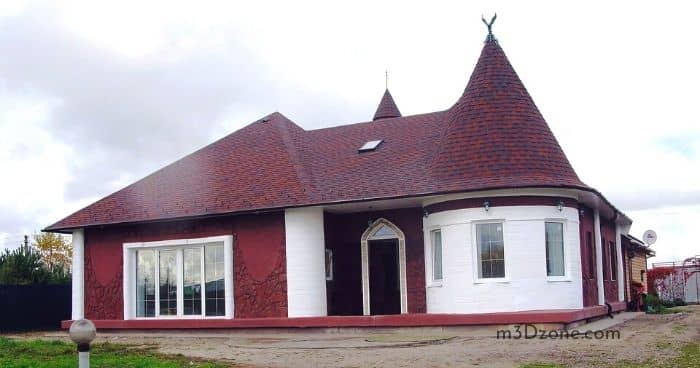
How long do 3D printed houses last? their longevity entirely depends on a few factors, such as the raw materials used, type of printer, and quality.
The moment you build a 3D printer, you meet two big names: Klipper and Marlin. They’re not just firmware—they’re moving the whole printing game forward. So which one should you actually use?
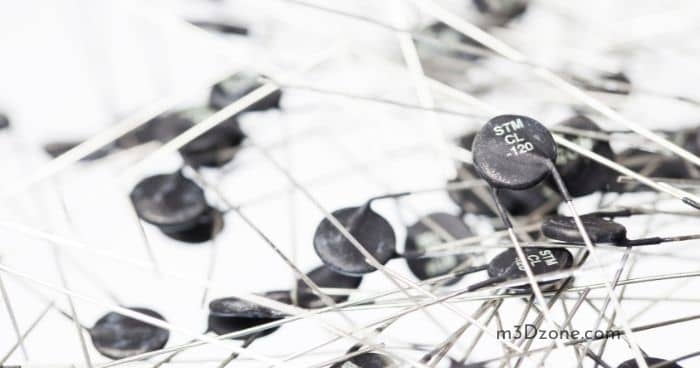
A 3D printer thermistor is a small component in a 3D printer, yet plays a pivotal role in printing. The status of the thermistor should not be overlooked easy...
There is still a lot more to learn and discover in 3D printing. Thats why you need some essential 3D printing skills to gain before you thrive. Lets see!
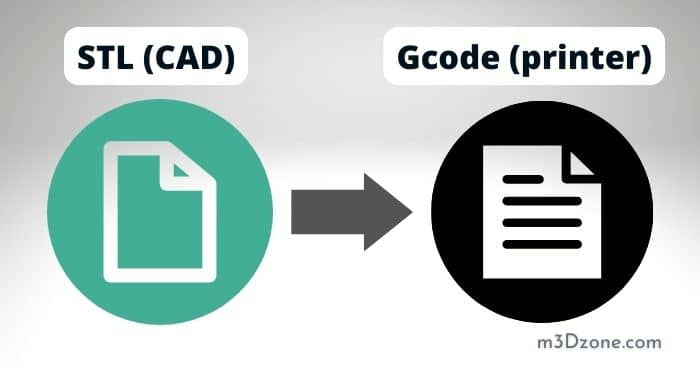
Easy guide to convert STL to Gcode. Open the STL file in a slicer to begin the slicing process. Adjust the parameters to meet your needs, scale, and ...
Fused Deposition Modeling(FDM) and Fused Filament fabrications (FFF) are the same. The FDM or FFF uses additive manufacturing 3D printing technology.
For slow 3D printers, use 40mm per second to 80mm per second 3D printing speeds. Mid-speed printers work best with 100 mm/s. Fast-speed 3D printers use 150mm/s.
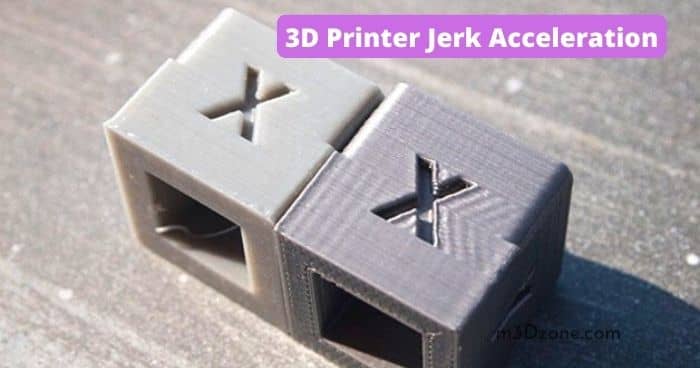
What exactly is 3D printer jerk acceleration? The setting is only for the printer to accelerate or decelerate the motion of the extruder head based on ...
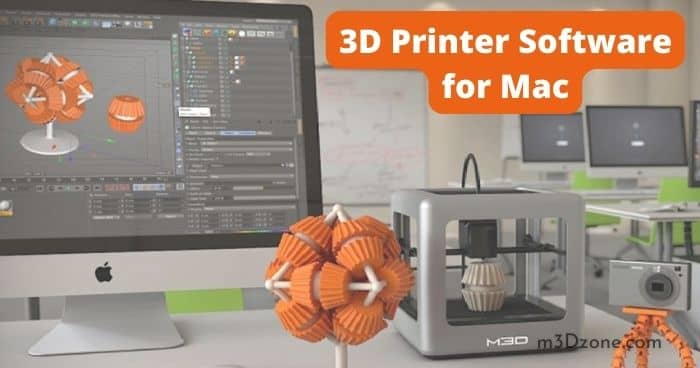
You like 3D printing and have a Mac. What 3D printer software for Mac do you use? Let us guide you and show our top 8 picks. Some are free some not.
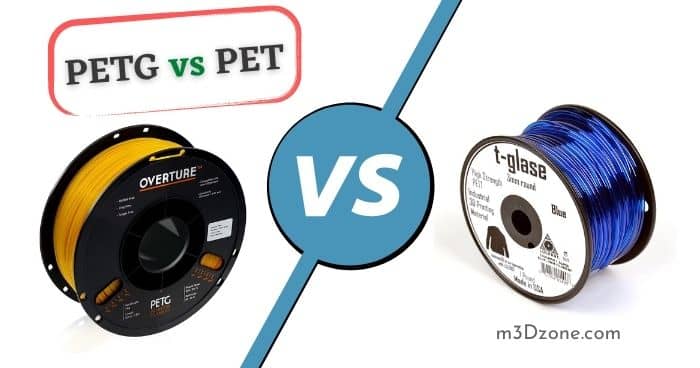
This article attempts to answer a concern raised by 3D printing users regarding PETG vs PET properties. Which one is the better option? Let's find out!
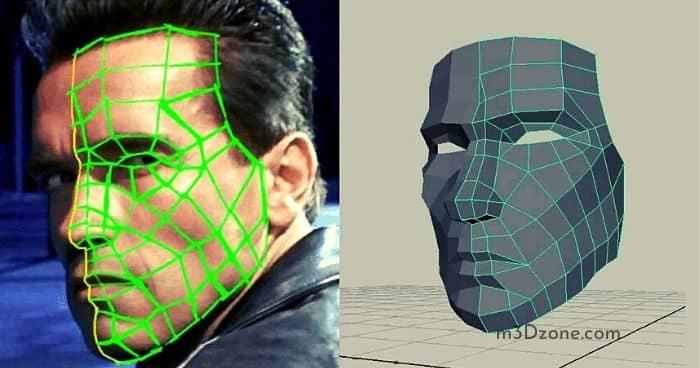
How to make a 3D model from a picture in 5 easy steps! With a few practice runs, you will be able to quickly turn any 2D pictures into 3D objects. Let's see!
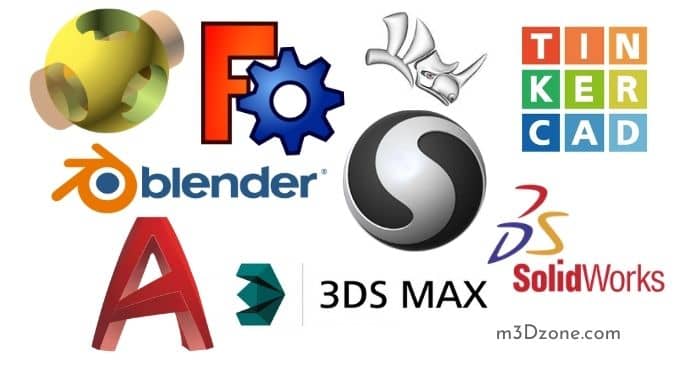
While working with 3D printers a very common question arise: What software do I need for 3D printing? Which is the best one? I got you covered. Let's dive in!